Engine Testing
Aperçu de l'Industrie
Caractéristiques Clés
Gasoline and diesel automobile engines
Truck and other high speed diesel engines
Medium speed diesel engines such as those used for locomotives, marine and power generation
Extremely large low speed diesel engines for marine propulsion and power generation
Motorcycle engines
High performance race car engines
Challenges
Engine testing can be time consuming and expensive due to fuel usage, support requirements and labor. Therefore, oil samples are taken to check for abnormal wear so that testing may be curtailed if abnormal wear is occurring. Not only does this early intervention save time and fuel, but it may prevent secondary damage in an engine headed toward failure.
Reliability testing is a very important component of new engine development. Engineers need to fully understand and chart the engine's performance under a variety of conditions before mass production may be considered. Oil analysis is an integral part of the research, development and testing process.
Comprehensive real time oil analysis can provide critical information about both engine condition and the condition of the lubricant. Due to the limited capabilities of in-line oil sensors that are attached to the test engine, it can be difficult to isolate and identify engine wear data or know the complete condition of the lubricant.
Having the optimum oil analysis instrumentation within close proximity to the test cell will provide that critical data in real time. Choosing the right oil analysis instrument to gather this data is not as obvious as it may sound due to the challenges of the operating environment. During accelerated wear testing, oil analysis reporting may be required at 10 to 15 minutes intervals. This leaves a very limited time for engineers to perform the test and analyze the results once the oil sample has been collected. This puts a premium on sample turnaround time.
Tests et Applications Typiques
Break-in wear - During the new engine break-in period, larger adhesive (sliding) wear particles are generated at a higher rate than during normal operating conditions. Continuously trending the sliding wear rate helps engineers understand the engine break-in pattern.
Normal wear – Running engines continuously generates small rubbing wear particles from all the moving parts inside. Elemental analysis is the best method to analyze small wear particles and trace them back to the source of wear through elemental identification.
Chemistry
Total Acid Number (TAN) - TAN is measured to determine the corrosive potential of lubrication oils. If the TAN gets too high the oil can induce corrosion of machine parts and should be changed.
Total Base Number (TBN) - TBN measures the amount of active acid neutralizing additive left in a sample of oil. The TBN is useful for people who want to extend their oil usage far beyond the normal range. The TBN of a used oil can aid the user in determining how much reserve additive the oil has left to neutralize acids. The lower the TBN reading, the less active additive the oil has left.
Viscosity - The main function of lubrication oil is to create and maintain a lubrication film between two moving metal surfaces. Ensuring the viscosity is within recommended ranges is one of the most important tests one can run on lube oil.
Oxidation, Nitration, Sulfation - Lubricating oil at elevated temperatures can react with oxygen and nitrogen in the atmosphere, as well as sulfur in fuel, to form undesirable by-products that can affect the oil's viscosity and lead to corrosion or damage of equipment.
Contamination
Fuel Dilution - Fuel dilution in oil is a condition caused by excess, unburned fuel mixing with engine oil in an engine crankcase. Hydrocarbon-based fuel, usually with a lower vapor pressure than the lubricant, has a thinning effect, lowering the oil viscosity. Oil film strength is reduced, increasing the cylinder liner and bearing wear.
Soot - Soot is a product of diesel combustion and has always been found in engine oils. Soot can use up an oil's additives and deposit on vital engine surfaces.
Glycol - Glycol is found in engine coolant. If glycol is found in engine oil it typically indicates there is a leak in the engine that needs to be addressed.
Ressources de l'Industrie
Pas de Ressources Disponibles
Nous mettons à jour notre bibliothèque de ressources pour cette industrie. Revenez bientôt ou contactez-nous pour demander une documentation spécifique.
Demander une DocumentationProduits de Support
 Oil Analysis
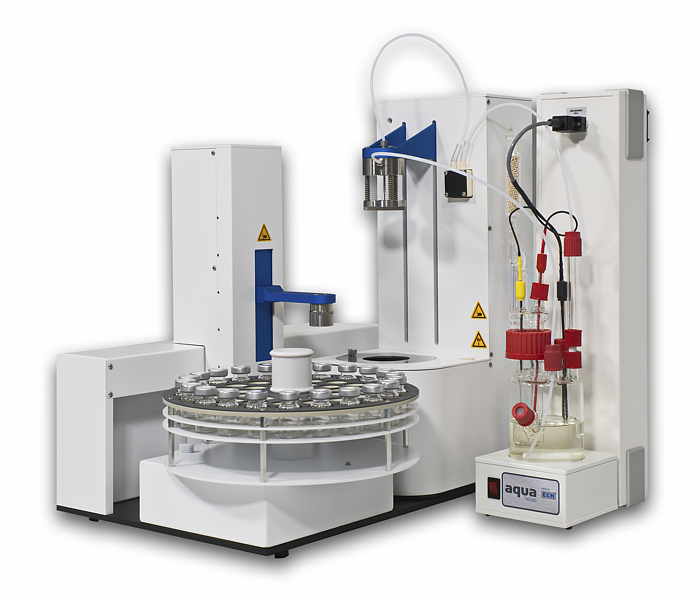
AQUA 40.00 Vario
L’AQUA 40.00 Vario est un analyseur d’humidité Karl Fischer polyvalent conçu pour la détermin...
 Oil Analysis
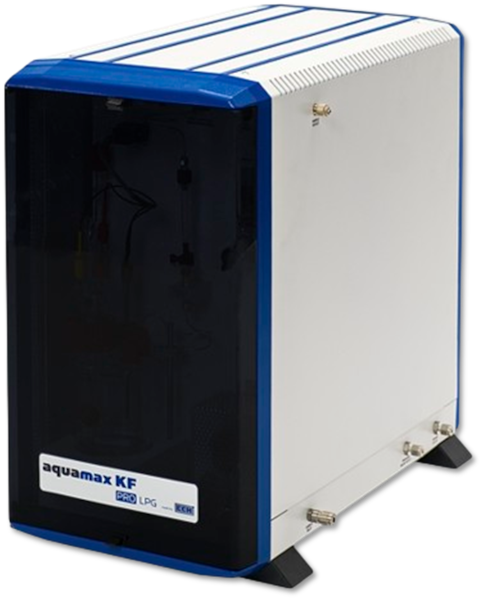
Aquamax KF PRO GPL
L’Aquamax KF PRO LPG est un titrateur Karl Fischer coulométrique spécialisé pour détermi...
 Oil Analysis
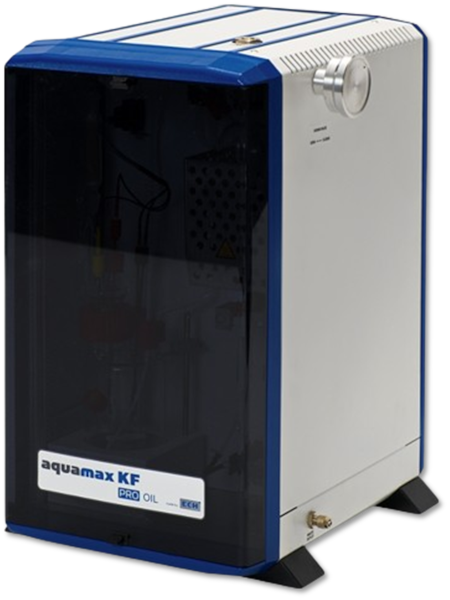
Aquamax KF PRO Huile
L’Aquamax KF PRO Oil est un titrateur Karl Fischer coulométrique haute performance optimisé po...
 Oil Analysis
Série FerroCheck 2000
Le PA100 est un ferrographe de paillasse avancé conçu pour l’analyse qualitative et quantitative...
 Oil Analysis
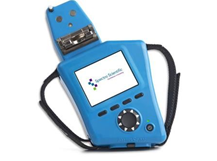
Série FluidScan® 1000
Le FluidScan est un spectromètre infrarouge portable utilisé pour l’analyse de l’état des hui...
 Oil Analysis
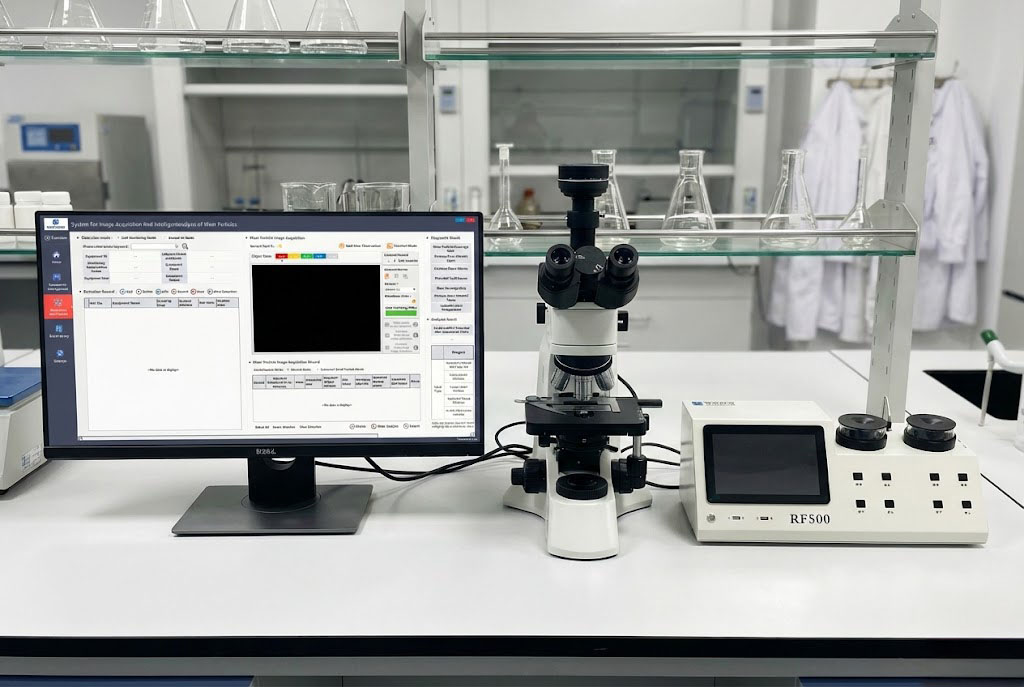
Intelligent Ferrography Lab (IFL-500 Series)
The Intelligent Ferrography Lab (IFL-500) is the world’s most advanced workstation for high-precis...
 Oil Analysis
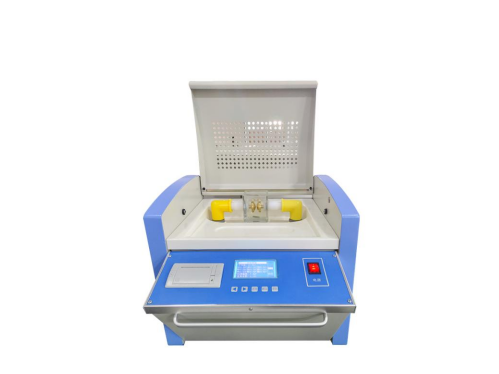
Testeur de rigidité diélectrique d’huile isolante JKJQ‑1
Le JKJQ‑1 est un testeur de rigidité diélectrique entièrement automatique conçu pour évaluer ...
 Oil Analysis
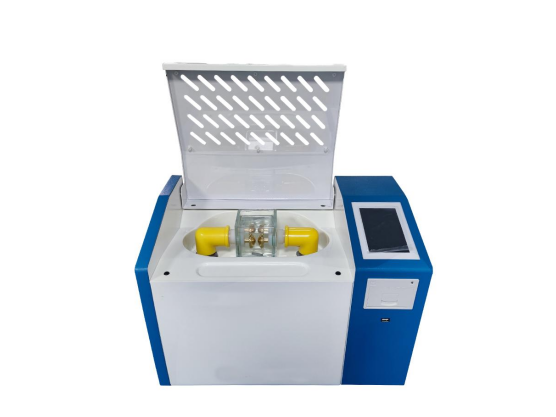
Testeur de rigidité diélectrique d’huile isolante JKJQ‑1A
Le JKJQ‑1A est un testeur portable entièrement automatique à une seule coupelle conçu pour mesu...
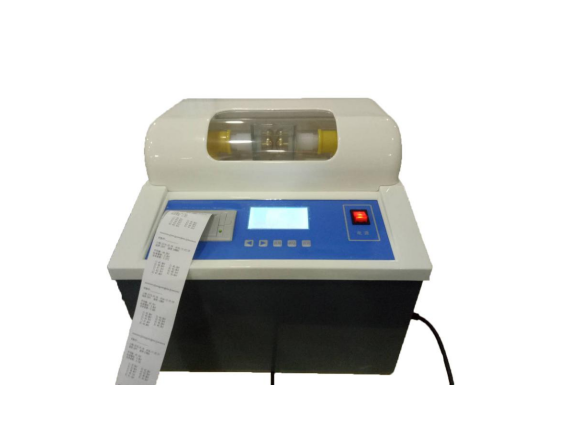 Oil Analysis
Testeur de rigidité diélectrique JKJQ‑1B
Le JKJQ‑1B est un testeur de résistance diélectrique entièrement automatique à une seule coupe...
 Contact Angle & Surface Tension
MBP – Tensiomètre à pression de bulle
Le MBP 200 de DataPhysics Instruments utilise la méthode de pression maximale de bulle pour mesur...
 Oil Analysis
MiniVisc 3000
Le MiniVisc 3000 est un viscosimètre cinématique portable révolutionnaire qui fournit des mesures...
 Oil Analysis
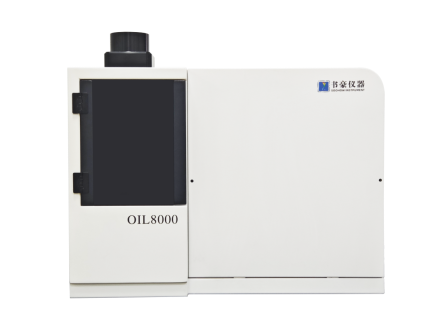
Spectromètre d’huile OIL8000
L’OIL8000 est un spectromètre d’émission atomique à électrode à disque rotatif compact, idÃ...
 Oil Analysis
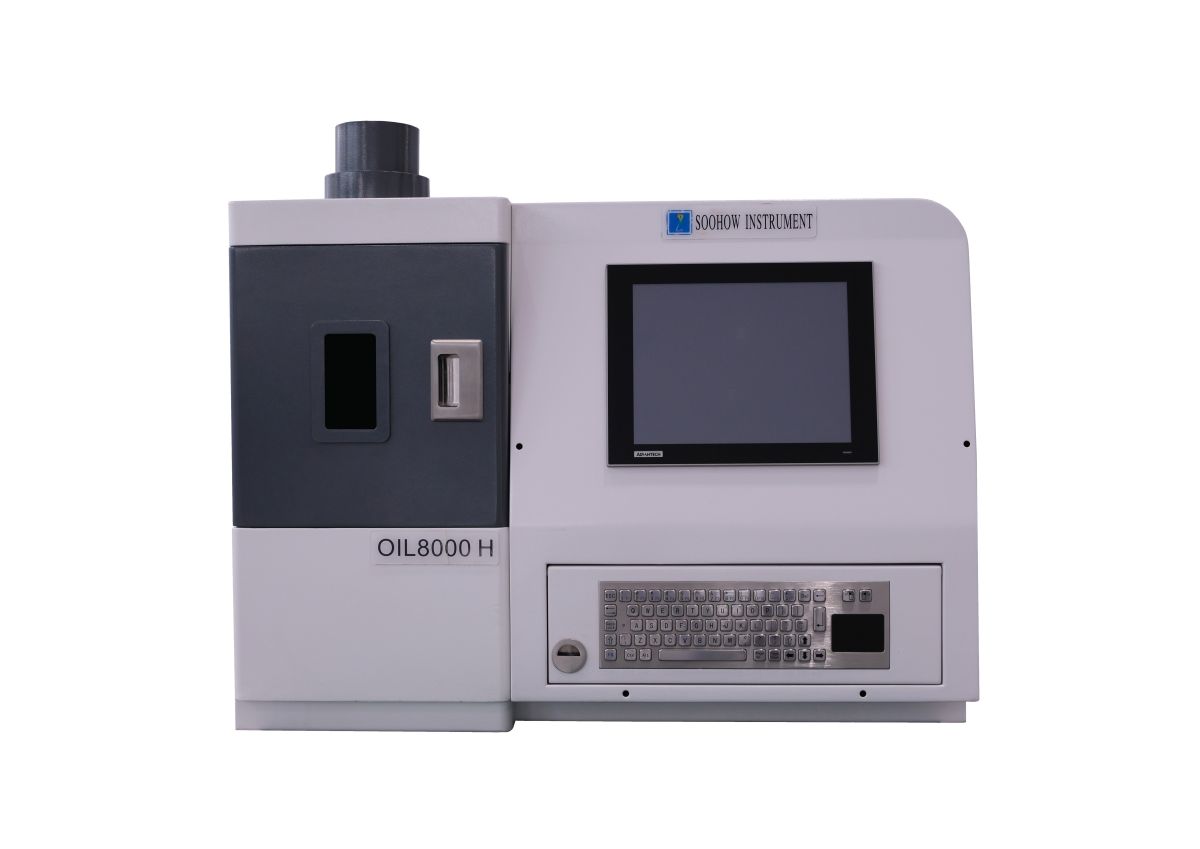
Spectromètre d’huile OIL8000H
L’OIL8000H est un spectromètre d’émission optique à électrode à disque rotatif (RDE-OES) ha...
 Oil Analysis
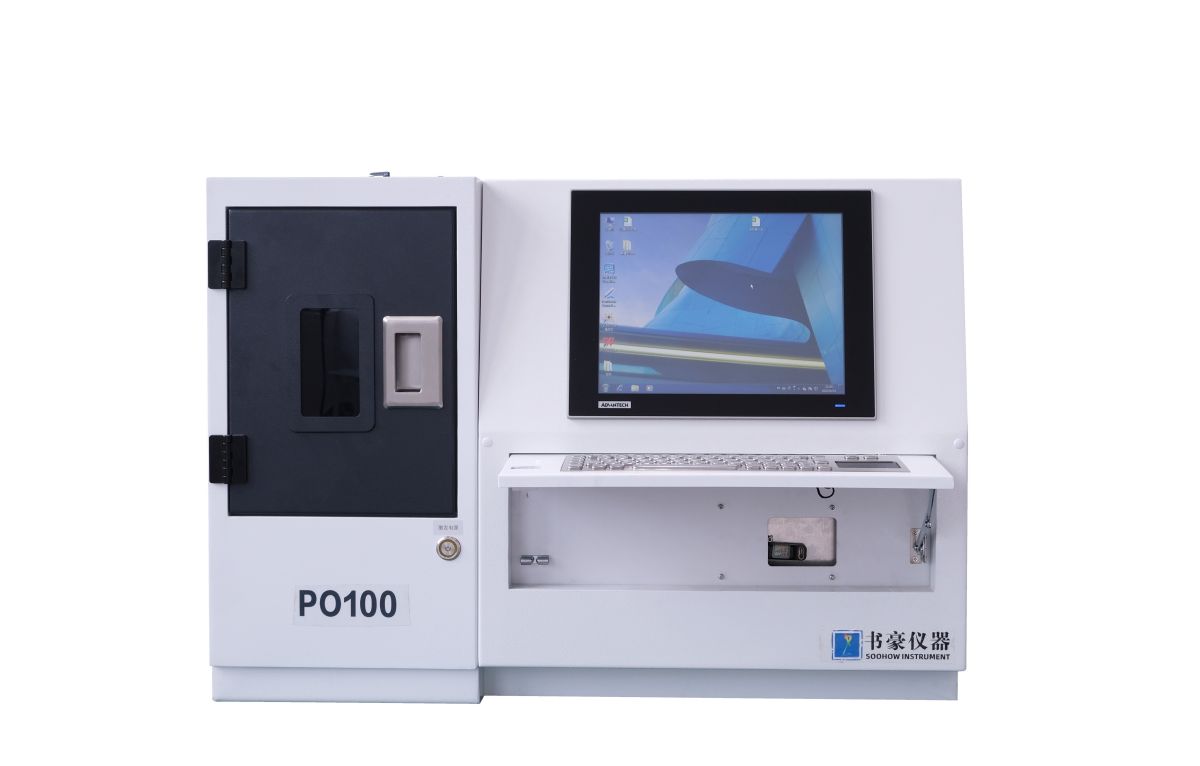
Spectromètre d’huile PO100
Le PO100 est un spectromètre d’émission optique à électrode à disque rotatif (RDE) conçu pou...
 Oil Analysis
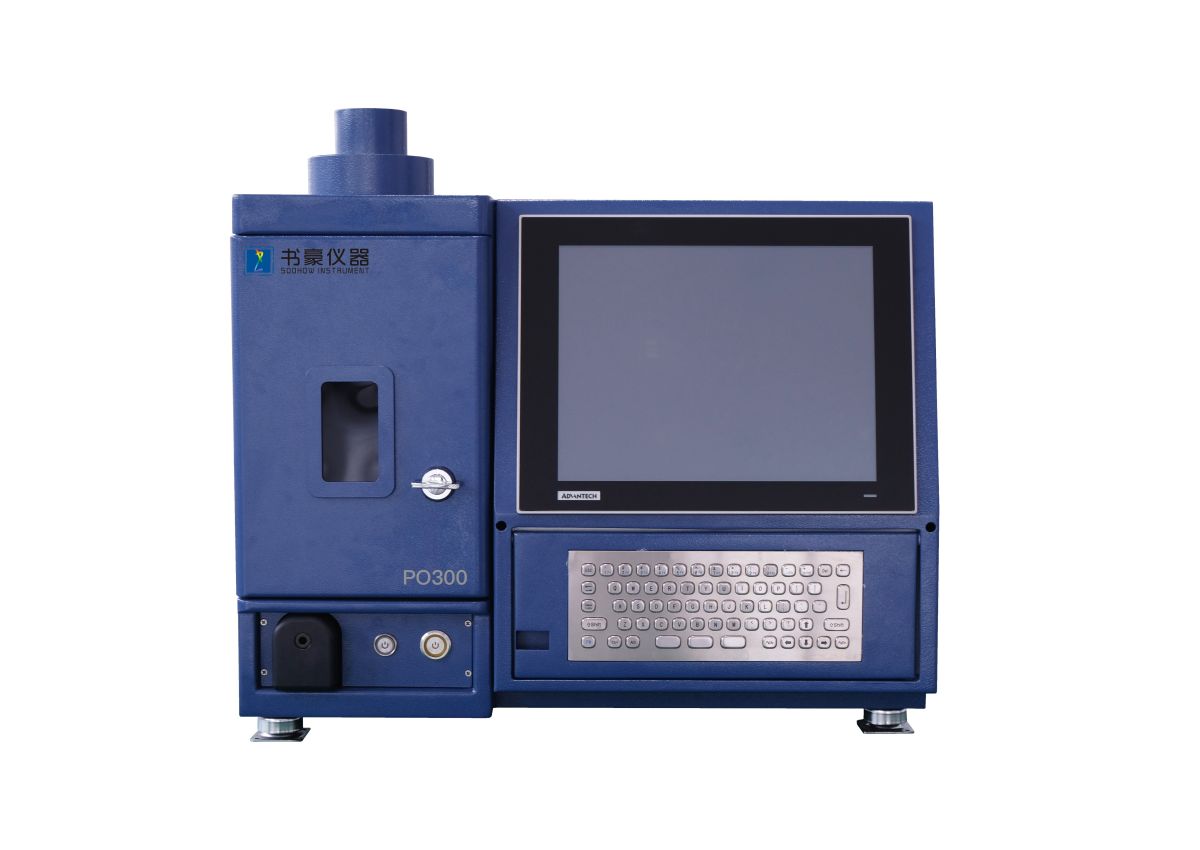
Spectromètre d’huile PO300
Le PO300 est un spectromètre d’émission optique à électrode à disque rotatif (RDE) avancé, c...
 Oil Analysis
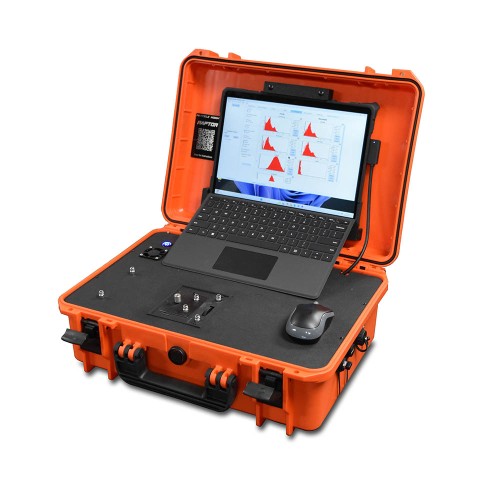
Pi Raptor Portable
Le Raptor Portable Dry Powder Particle Size & Shape Analyzer est le premier système véritablement ...
 Oil Analysis
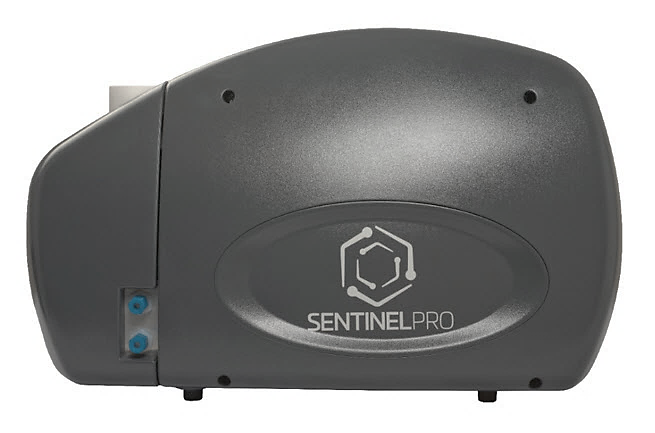
Pi Sentinel PRO
Le SentinelPro est un analyseur d’images dynamiques haute performance conçu pour les applications...
 Oil Analysis
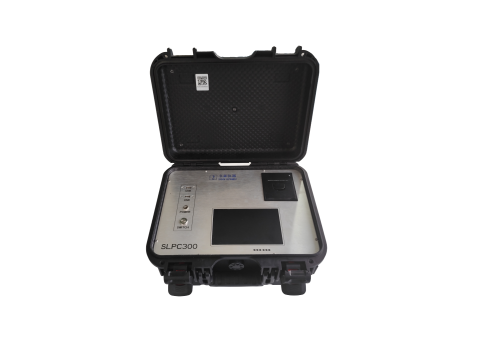
Compteur de particules d’huile portable SLPC300
Le SLPC300 est un compteur de particules d’huile portable qui utilise le principe de blocage de la...
 Oil Analysis
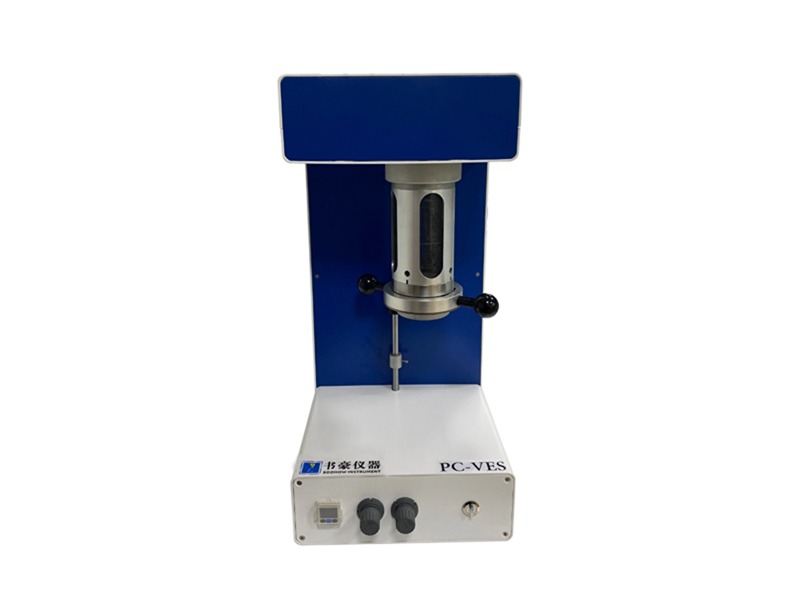
Échantillonneur de pression positive et négative PC‑VES
Le PC‑VES est un échantillonneur d’huile portable à pression positive/négative conçu pour le...
 Oil Analysis
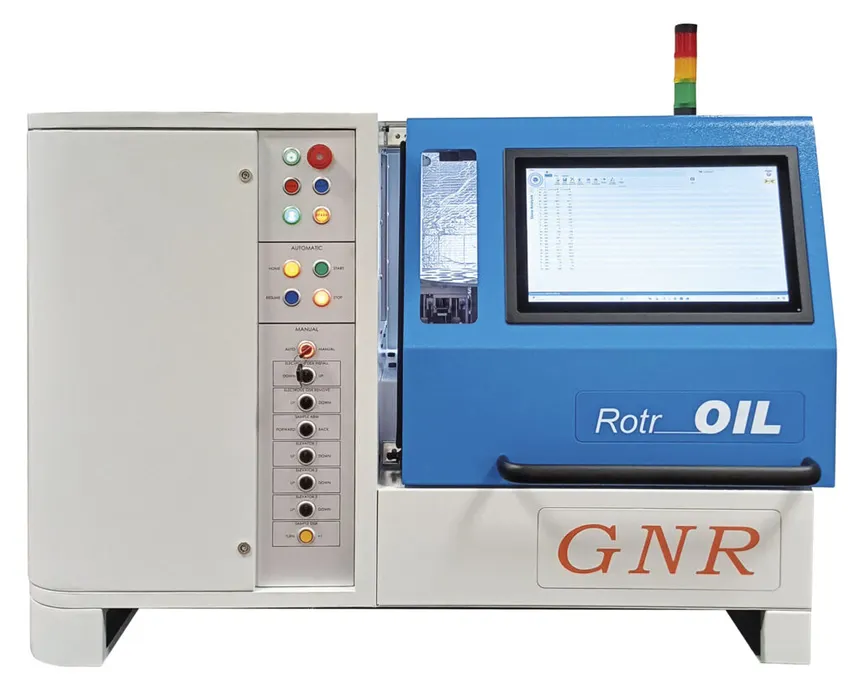
R4 RotrOil (changeur d’échantillons automatique)
Le R4 RotrOil est une version avancée et entièrement automatisée du spectromètre élémentaire R...
 Oil Analysis
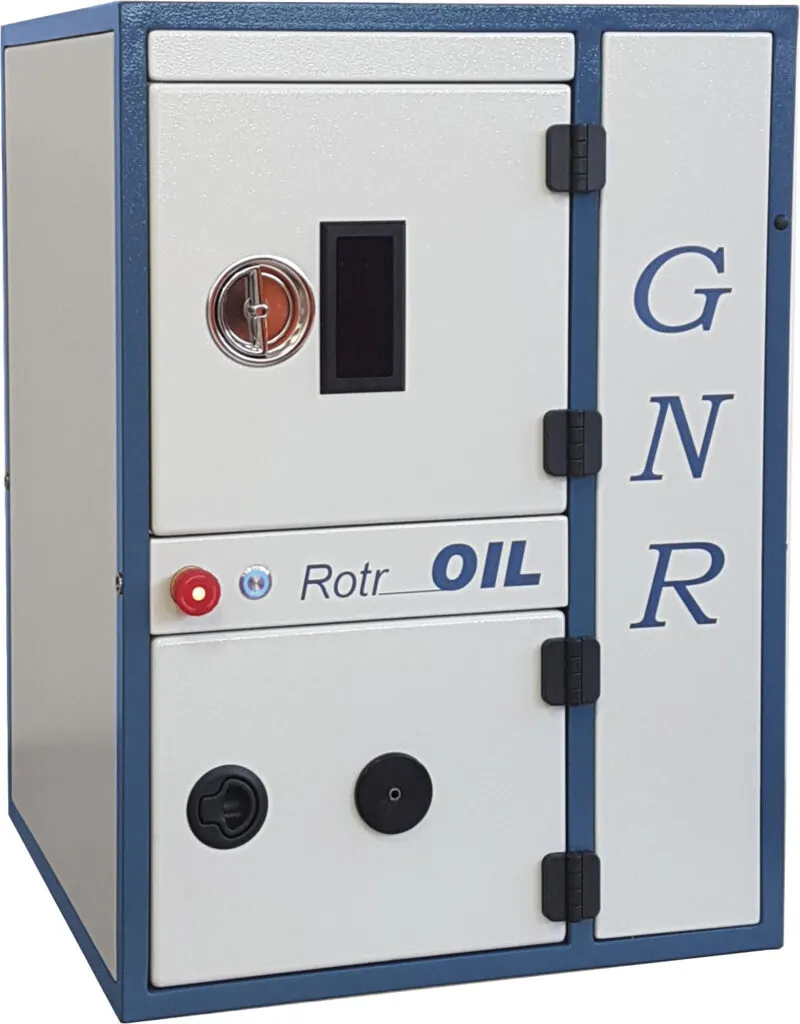
RotrOil
Le RotrOil est le spectromètre d’émission optique à électrode à disque rotatif (RDE-OES) de d...
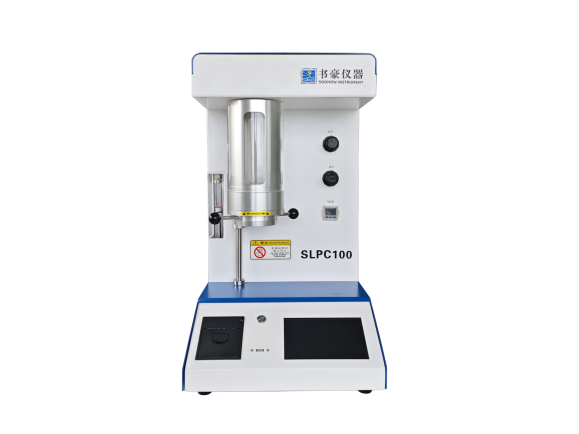 Oil Analysis
Compteur de particules d’huile de bureau SLPC100
Le SLPC100 est un compteur de particules d’huile de bureau qui utilise la méthode de comptage par...
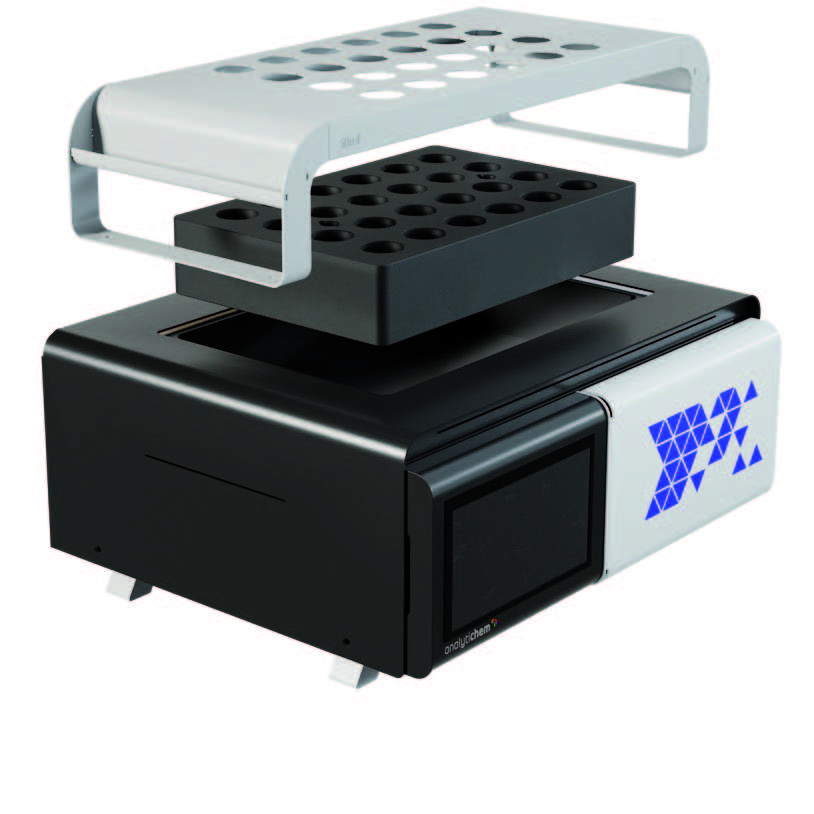 Sample Preparation
SNRG Block™ Système 1 et 2
Les systèmes de digestion SNRG Block™ sont des instruments de laboratoire avancés conçus pour l...
 Oil Analysis
Série SpectrOil 100
La série SpectrOil 100 est un analyseur élémentaire haute précision basé sur la technologie de ...
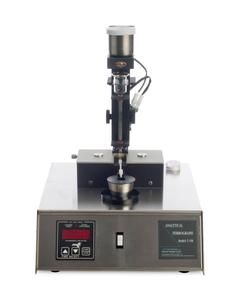 Oil Analysis
T2FM 500 – Ferrographie de laboratoire
Le RF500 est un ferrographe rotatif à double tête conçu pour l’analyse qualitative et quantitat...
 Oil Analysis
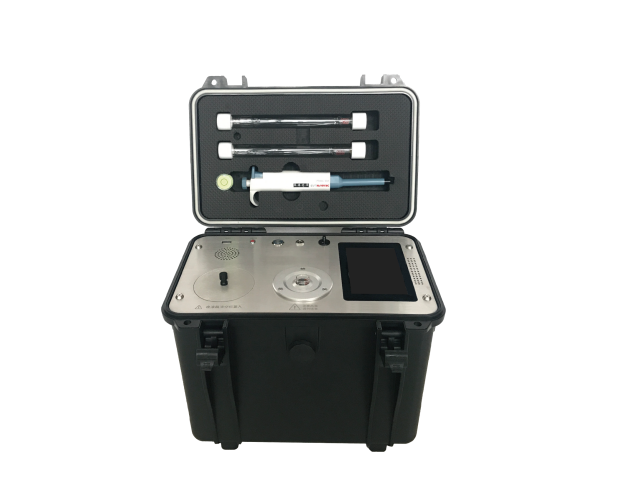
Viscosimètre portable à mouvement rapide VS600
Le viscosimètre cinématique portable VS600 est un instrument de terrain haute efficacité conçu p...
 Oil Analysis
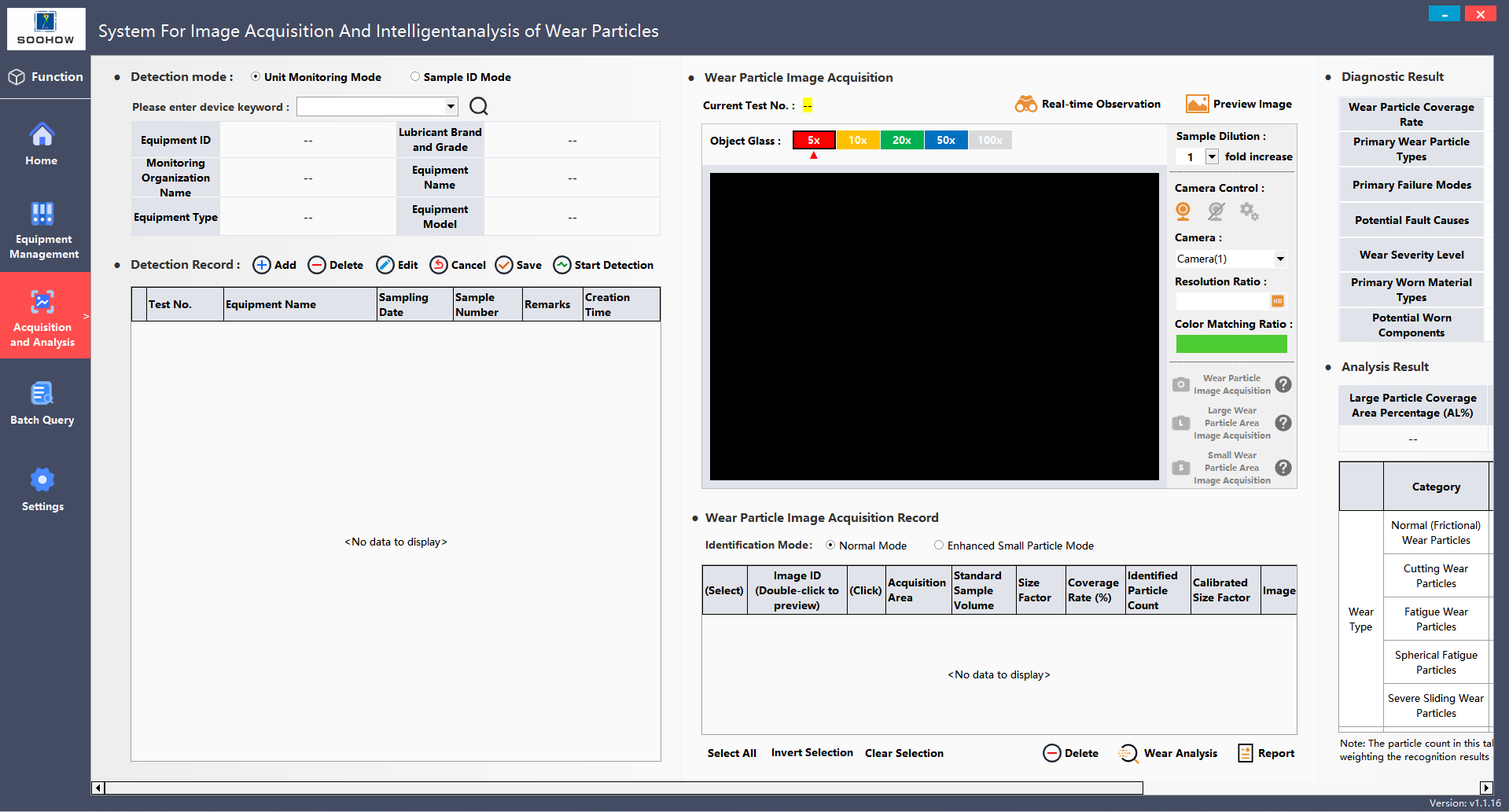
Système d'Acquisition d'Images et d'Analyse Intelligente des Particules d'Usure (Propulsé par l'IA)
Description du Produit Ce système avancé est une solution de pointe pour la ferrographie moderne e...
Prêt à Trouver la Bonne Solution?
Notre équipe peut vous aider à sélectionner les produits parfaits pour vos Engine Testing applications