Pembangkit Listrik
Ikhtisar Industri
Fitur Utama
Machine condition monitoring based on oil analysis is widely practiced by power plants, whether they are nuclear, coal-fired steam, combined cycle gas turbine, medium and low speed diesels, windmills, or geothermal. All of these plants have critical turbines, pumps, bearings, fans, compressors, gears and hydraulic systems. Failure of critical equipment may cause plant shutdown at great cost.
Power plant oil samples are typically tested for elemental content to determine wear metals, contaminants and additives. FT-IR analysis is used to determine lubricant degradation and fluid contamination (i.e., water, fuel glycol). Viscosity testing is done to insure the right oil is being used and to make sure it is still fit for use.
Particle counting and trending gives early warning about wear conditions before vibration analysis can detect issues. Ferrous monitoring can determine when wear is getting worse in a piece of equipment. This tests are invaluable for predicting wear problems that will cause downtime if early intervention isn't planned.
Tes & Aplikasi Khas
Water contamination is the most common liquid contaminant in power plants, and should always be monitored. Excessive water destroys a lubricant’s ability to separate opposing moving parts, allowing severe wear to occur. For most equipment water contamination should not exceed 0.25%, and not more than 100 ppm for turbine lube and control systems.
Kinematic Viscosity is a lubricant’s most important physical property. Lubricants must have suitable flow characteristics so an adequate supply reaches lubricated parts at different operating temperatures. Their viscosities vary depending on classification, grade, oxidation and contamination. In power plants, viscosity is routinely measured right after an oil change to confirm the correct oil was added, as well as on a periodic basis.
Total Acid Number (TAN) indicates relative acidity. Oil changes are often indicated when the TAN value reaches a predetermined level.
Wear
Particle count - a high particle count or a rapid increase in particles can foreshadow an imminent failure.
Particle composition - it is often important to understand the elemental composition of particles in order to find out where they came from. Optical Emission Spectroscopy gives the user elemental information for up to 32 elements, from Li to Ce (varies with application).
Particle type - The size, shape and opacity of particles is used to determine if they are from cutting wear, sliding wear, fatigue wear, nonmetallic or fibers. This allows operators to determine the type of wear debris, wear mode and potential source from internal machinery components.
Ferrous wear - Ferrous wear measurement is a critical requirement for monitoring machine condition. The high sensitivity magnetometer measures and reports ferrous content in ppm/ml, and provides ferrous particle count and size distribution for large ferrous particles.
Chemistry and Viscosity
Total Acid Number (TAN) - TAN is measured to determine the corrosive potential of lubrication oils. If the TAN gets too high the oil can induce corrosion of machine parts and should be changed.
Viscosity - The main function of lubrication oil is to create and maintain a lubrication film between two moving metal surfaces. Insuring the viscosity is within recommended ranges is one of the most important tests one can run on lube oil.
Oxidation, Nitration, Sulfation - Lubricating oil at elevated temperatures can react with oxygen and nitrogen in the atmosphere, as well as sulfur in fuel, to form undesirable by-products that can affect the oil's viscosity and lead to corrosion or damage of equipment.
Contamination
Water - Water contamination in industrial oils can cause severe issues with machinery components. The presence of water can alter the viscosity of a lubricant as well as cause chemical changes resulting in additive depletion and the formation of acids, sludge, and varnish.
Sumber Daya Industri
Tidak Ada Sumber Daya Tersedia
Kami sedang memperbarui perpustakaan sumber daya kami untuk industri ini. Periksa kembali segera atau hubungi kami untuk meminta dokumentasi khusus.
Minta DokumentasiProduk Pendukung
 Oil Analysis
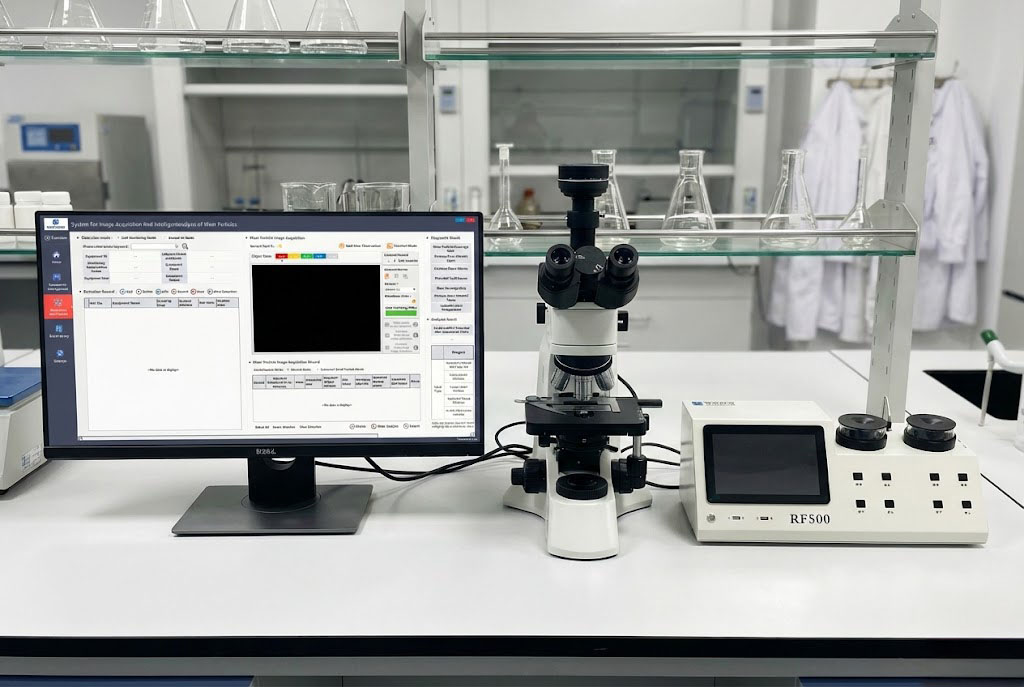
Ferograf Putar Ganda RF500
RF500 adalah ferrograf berputar kepala ganda yang dirancang untuk analisis kualitatif dan kuantitati...
 Oil Analysis
Intelligent Ferrography Lab (IFL-500 Series)
The Intelligent Ferrography Lab (IFL-500) is the world’s most advanced workstation for high-precis...
 Oil Analysis
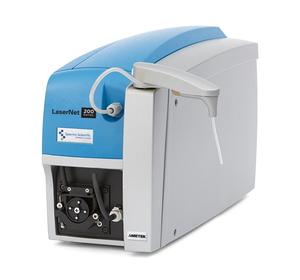
Seri LaserNet 200
LaserNet 200 Series adalah sistem analisis partikel otomatis canggih yang dirancang untuk mendeteksi...
 Oil Analysis
MiniVisc 3000
MiniVisc 3000 adalah viskometer kinematik portabel inovatif yang memberikan pengukuran viskositas ti...
 Oil Analysis
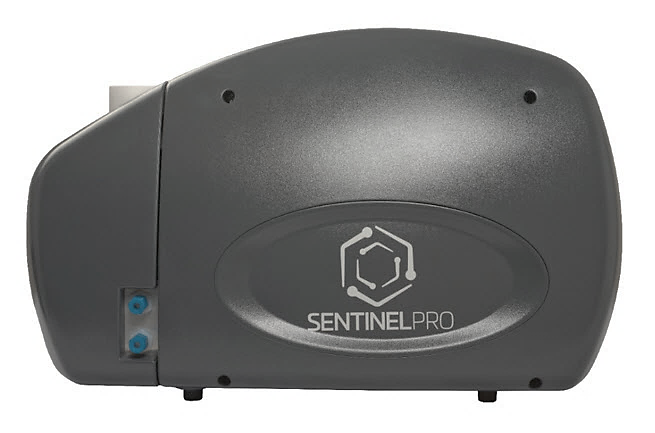
Pi Sentinel PRO
SentinelPro adalah penganalisis gambar dinamis berkinerja tinggi untuk aplikasi di mana bentuk parti...
 Oil Analysis
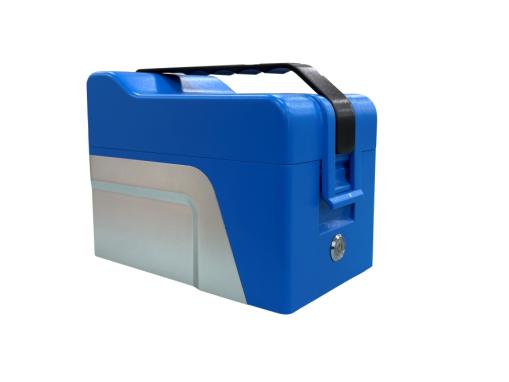
Viskometer Kinematik Portabel VS800
VS800 Portable Kinematic Viscometer adalah alat pengukur viskositas serbaguna yang presisi, dirancan...
 Oil Analysis
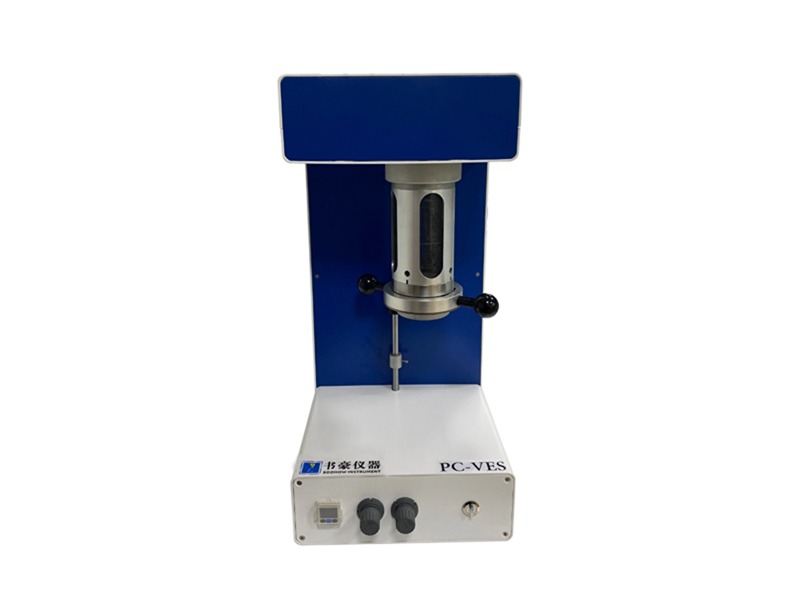
Pengambil Sampel Tekanan Positif dan Negatif PC‑VES
PC-VES adalah pengambil sampel oli tekanan positif/negatif portabel untuk cairan berviskositas tingg...
 Oil Analysis
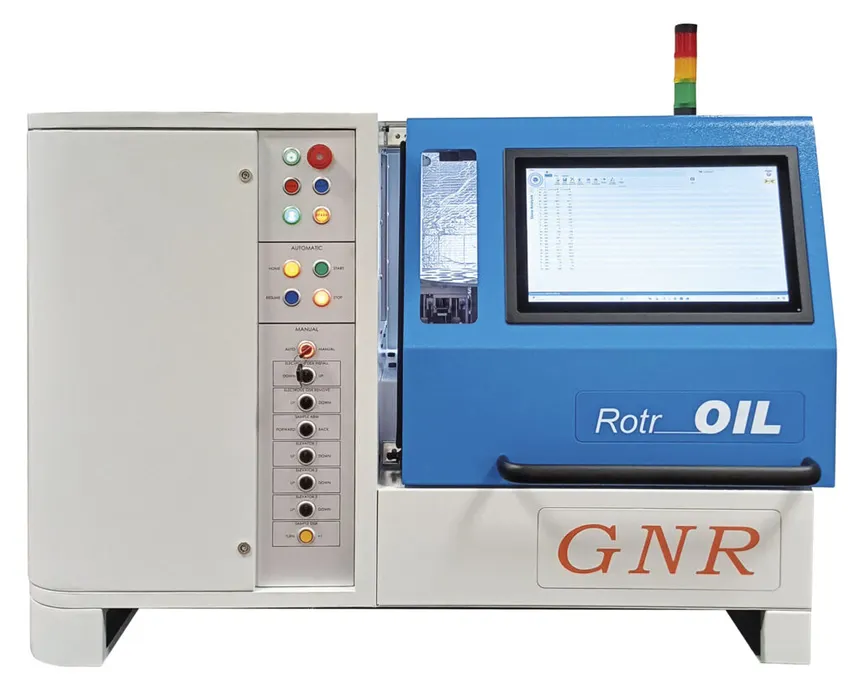
R4 RotrOil (Pengubah Sampel Otomatis)
R4 RotrOil adalah versi canggih dan otomatis penuh dari spektrometer elemen RotrOil GNR, yang mengin...
 Oil Analysis
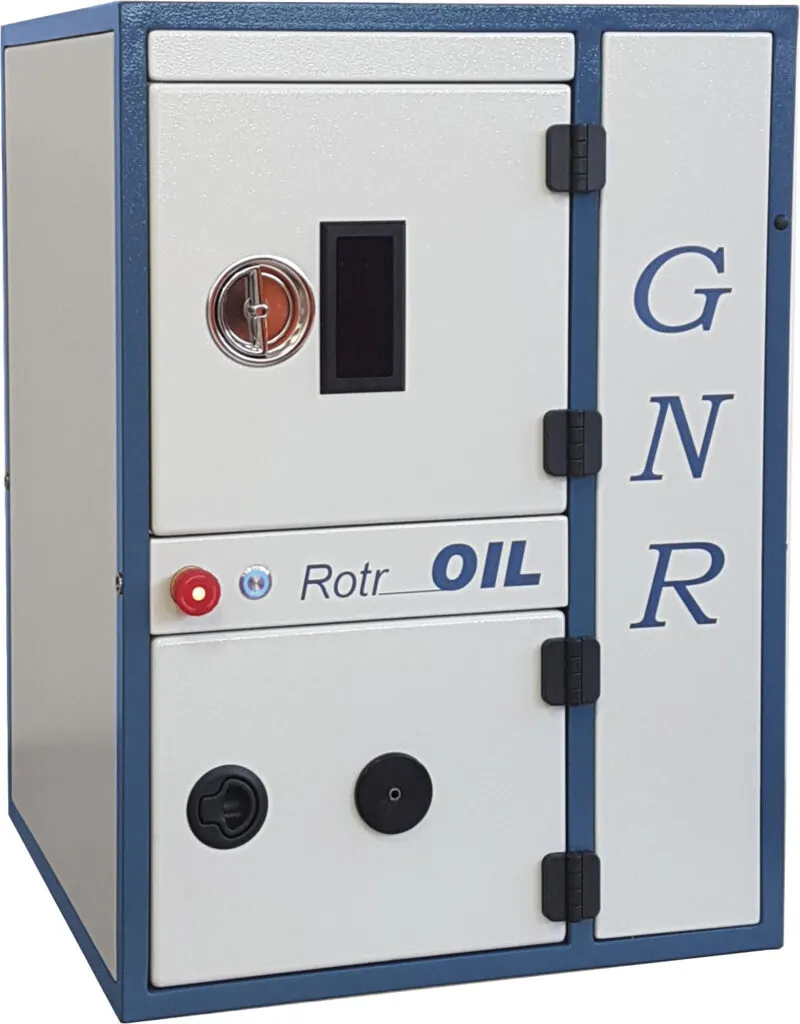
RotrOil
RotrOil adalah RDE-OES generasi terbaru dari GNR yang disesuaikan untuk analisis elemen yang cepat d...
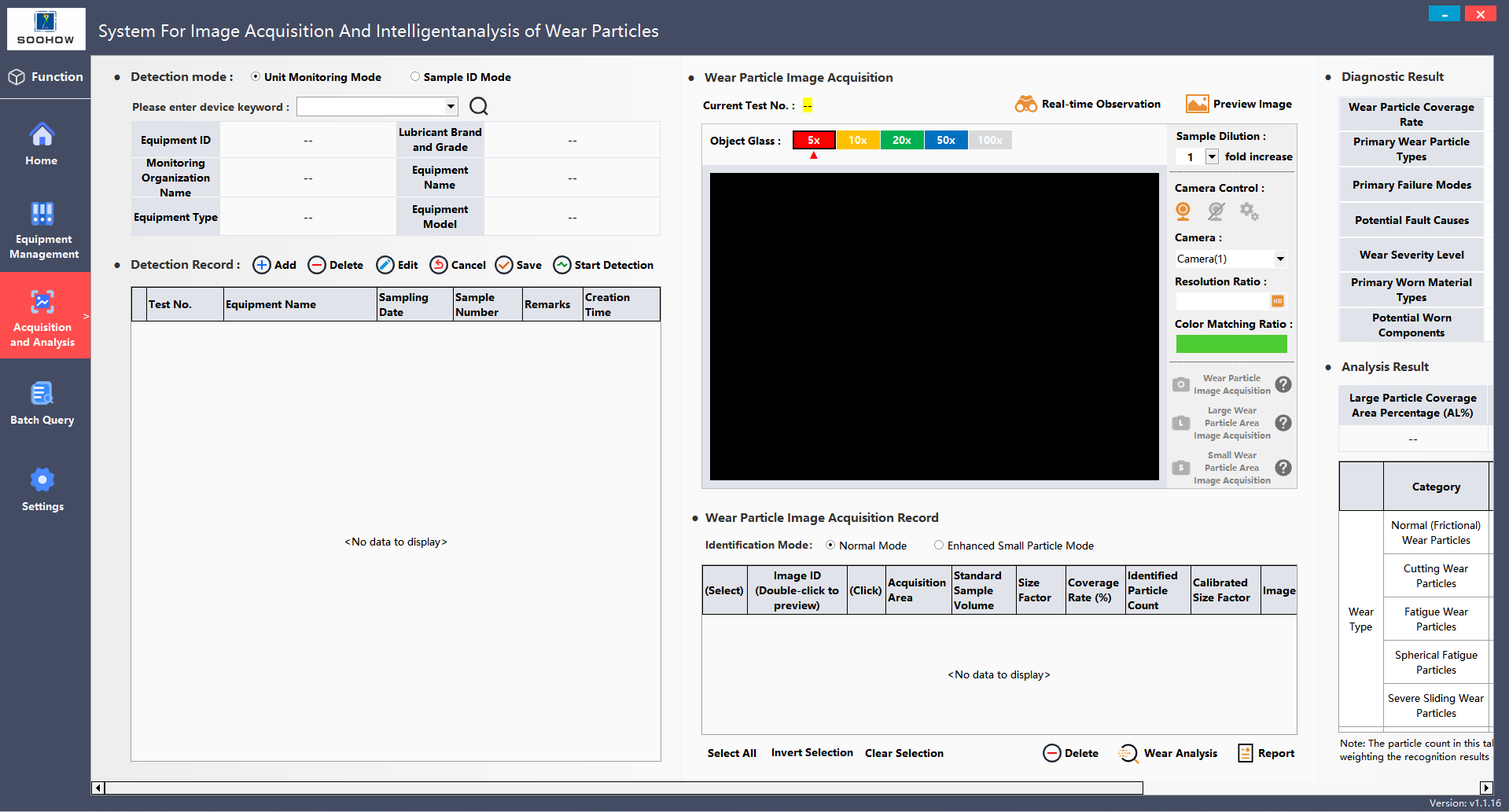 Oil Analysis
Sistem Akuisisi Gambar & Analisis Cerdas Partikel Keausan Berbasis AI
Sistem canggih ini adalah solusi mutakhir untuk Ferografi modern dan pemantauan kondisi oli. Dengan ...
Siap Menemukan Solusi yang Tepat?
Tim kami dapat membantu Anda memilih produk yang sempurna untuk Pembangkit Listrik aplikasi