Racing
Aperçu de l'Industrie
Caractéristiques Clés
Not only do the racing teams themselves take Spectro Scientific instruments to races, but the companies that design, build and test racing engines also are Spectro Scientific customers. We welcome the opportunity to continue to be of service to existing customers and to assist new customers with their oil analysis instrumentation requirements.
Challenges
The biggest concern for race teams is wear debris that can damage the engine. Being able to identify the debris tells them where the particles are coming from. Most of the top teams use Optical Emission Spectrometers to analyze up to 32 metals found in the oil. Knowing what metals are present and in what concentration allows them to trend things like engine wear and oil breakdown.
Oil viscosity is also a critical component for a high speed engine. Any breakdown in viscosity could cause an engine to fail.
Tests et Applications Typiques
Particle composition - it is often important to understand the elemental composition of particles in order to find out where they came from. Optical Emission Spectroscopy gives the user elemental information for up to 32 elements, from Li to Ce (varies with application).
Chemistry
Total Base Number (TBN) - TBN measures the amount of active additive left in a sample of oil. The TBN is useful for people who want to extend their oil usage far beyond the normal range. The TBN of a used oil can aid the user in determining how much reserve additive the oil has left to neutralize acids. The lower the TBN reading, the less active additive the oil has left.
Viscosity - The main function of lubrication oil is to create and maintain a lubrication film between two moving metal surfaces. Insuring the viscosity is within recommended ranges is one of the most important tests one can run on lube oil.
Oxidation, Nitration, Sulfation - Lubricating oil at elevated temperatures can react with oxygen and nitrogen in the atmosphere, as well as sulfur in fuel, to form undesirable by-products that can affect the oil's viscosity and lead to corrosion or damage of equipment.
Contamination
Glycol - Glycol is found in engine coolant. If glycol is found in engine oil it typically indicates there is a leak in the engine that allows coolant into the oil system. Glycol reduces the oil's protective properties and can cause catastrophic damage to the engine components.
Ressources de l'Industrie
Pas de Ressources Disponibles
Nous mettons à jour notre bibliothèque de ressources pour cette industrie. Revenez bientôt ou contactez-nous pour demander une documentation spécifique.
Demander une DocumentationProduits de Support
 Oil Analysis
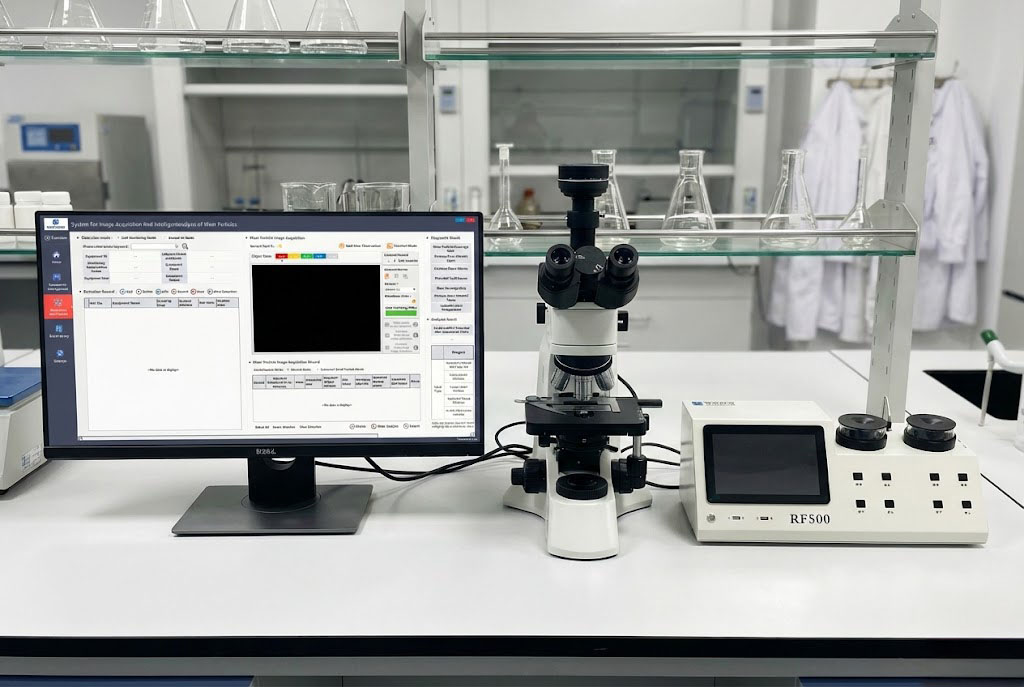
Intelligent Ferrography Lab (IFL-500 Series)
The Intelligent Ferrography Lab (IFL-500) is the world’s most advanced workstation for high-precis...
 Oil Analysis
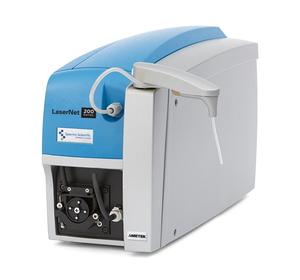
Série LaserNet 200
La série LaserNet 200 est un système avancé et automatisé d’analyse des particules conçu pour...
 Oil Analysis
MiniVisc 3000
Le MiniVisc 3000 est un viscosimètre cinématique portable révolutionnaire qui fournit des mesures...
 Oil Analysis
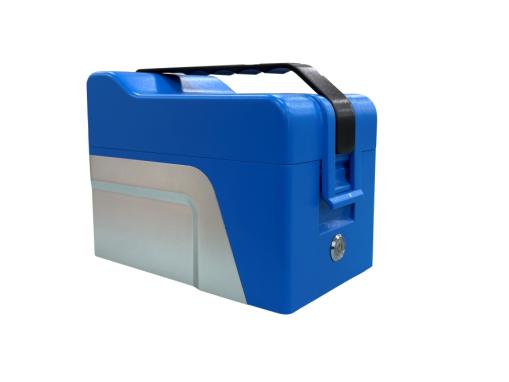
Viscosimètre cinématique portable VS800
Le viscosimètre cinématique portable VS800 est un outil de mesure de viscosité de précision, pol...
 Oil Analysis
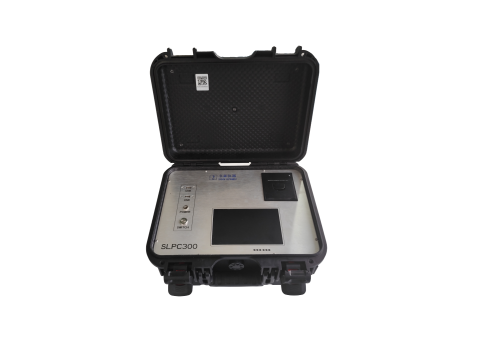
Compteur de particules d’huile portable SLPC300
Le SLPC300 est un compteur de particules d’huile portable qui utilise le principe de blocage de la...
 Oil Analysis
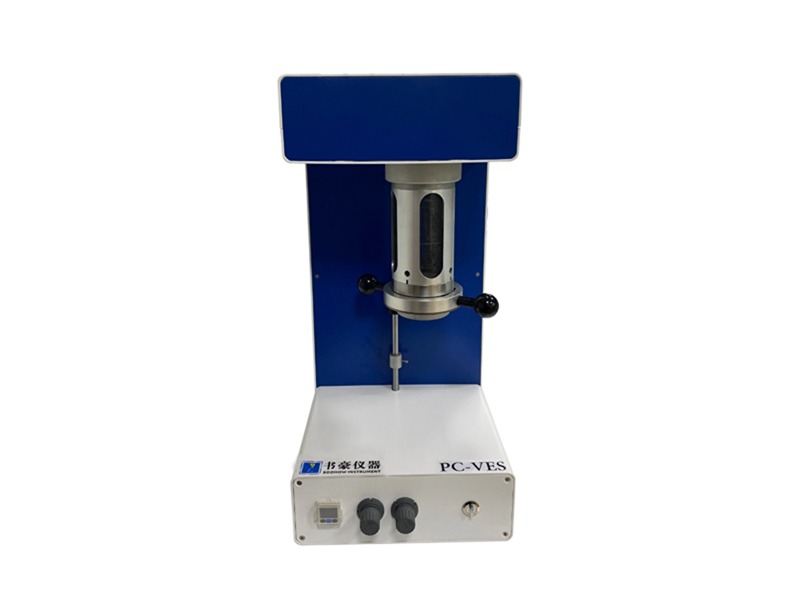
Échantillonneur de pression positive et négative PC‑VES
Le PC‑VES est un échantillonneur d’huile portable à pression positive/négative conçu pour le...
 Oil Analysis
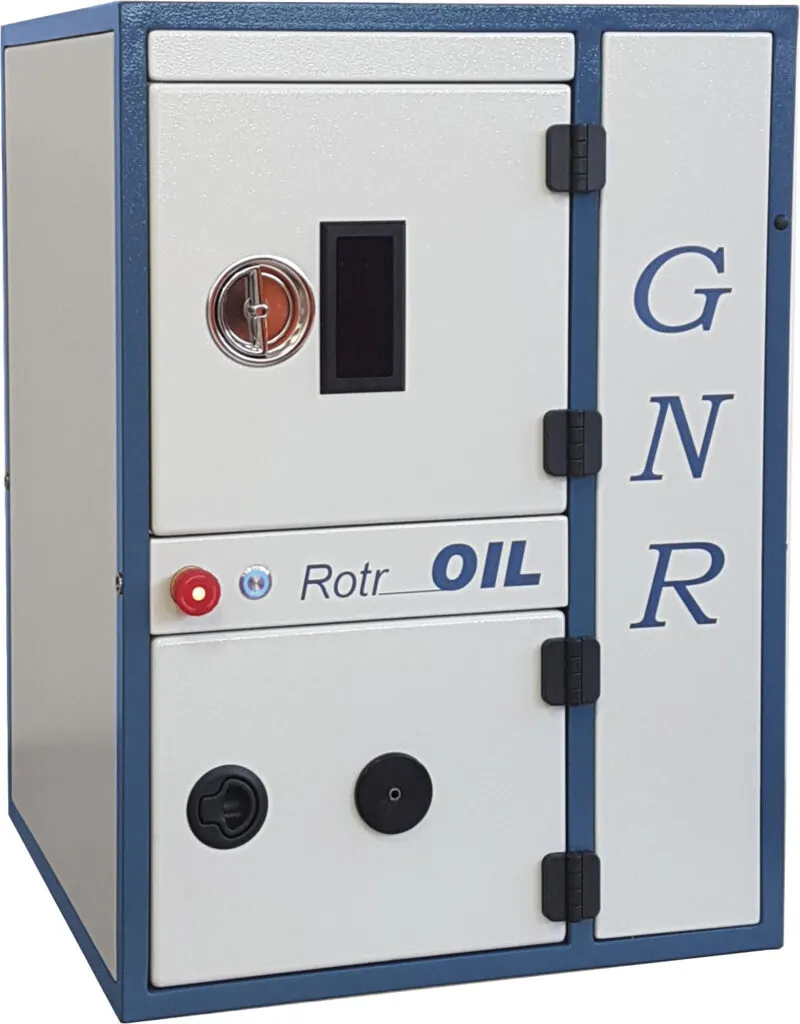
RotrOil
Le RotrOil est le spectromètre d’émission optique à électrode à disque rotatif (RDE-OES) de d...
 Oil Analysis
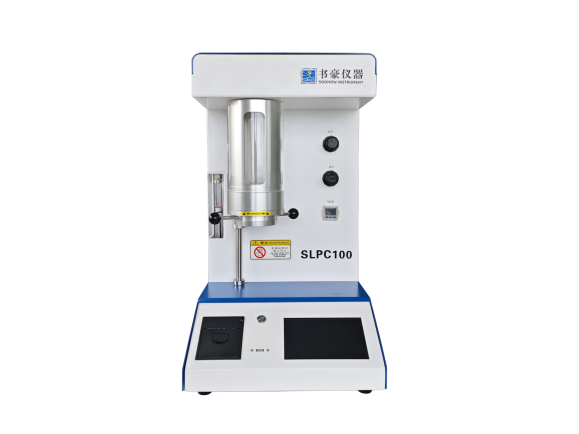
Compteur de particules d’huile de bureau SLPC100
Le SLPC100 est un compteur de particules d’huile de bureau qui utilise la méthode de comptage par...
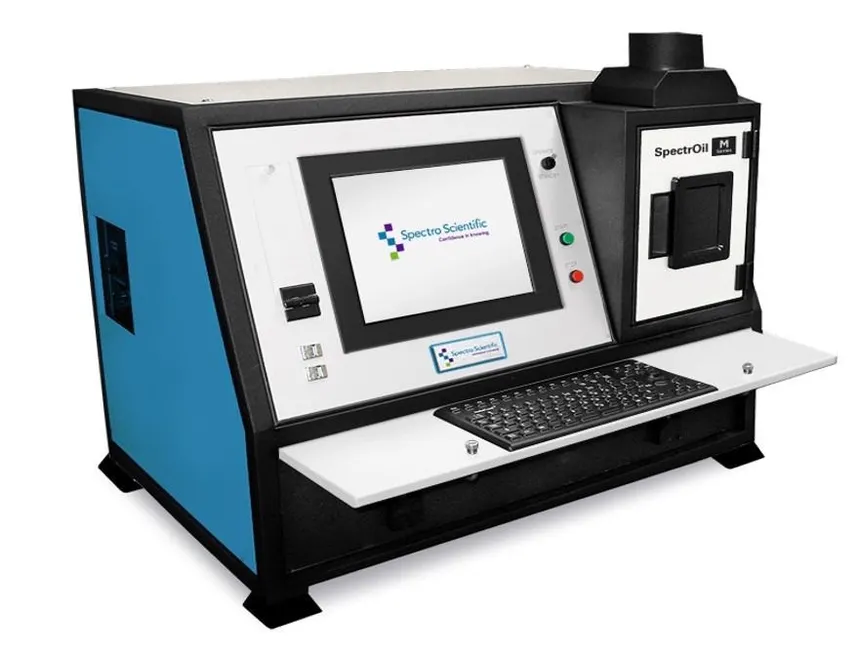 Oil Analysis
Série SpectrOil M
La série SpectrOil M est un spectromètre d’émission optique à électrode à disque rotatif (RD...
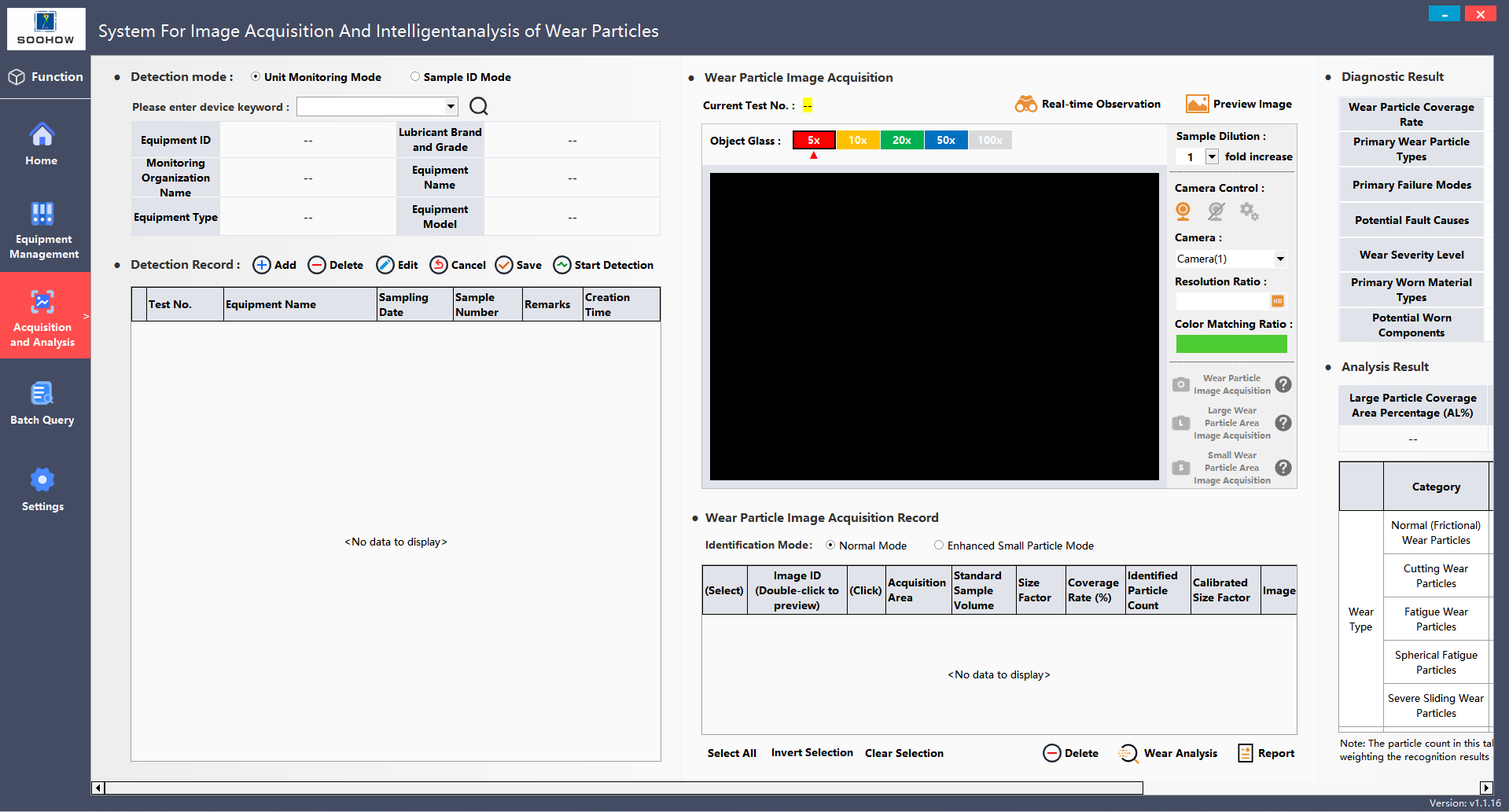 Oil Analysis
Système d'Acquisition d'Images et d'Analyse Intelligente des Particules d'Usure (Propulsé par l'IA)
Description du Produit Ce système avancé est une solution de pointe pour la ferrographie moderne e...
Prêt à Trouver la Bonne Solution?
Notre équipe peut vous aider à sélectionner les produits parfaits pour vos Racing applications